No Plot at 60,000 Words? How to Rescue Your Draft
A practical way to find the story inside a long draft, repair scenes that do not cause anything, and rebuild momentum without starting over.
By Elias Ward
Founding writer at Scyn
Key takeaways
- A long draft can contain good scenes and still lack a working chain of cause and effect.
- Do not start by rewriting chapter one. Make a plain inventory of the scenes you already have.
- For each scene, record what changes and which later scene happens because of it.
- Keep scenes that create decisions, costs, discoveries, or reversals. Repair or cut scenes that leave the story unchanged.
- Scyn can help you map the draft manually, but it does not upload or diagnose a manuscript for you.
You are 60,000 words into a novel. The characters have histories. The setting feels real. There are scenes you would defend in court. Yet when you try to explain the plot, you end up describing a series of things that happen.
That does not mean the book is dead. It means you have written material before settling the chain that turns material into plot.
Please do not punish yourself by rewriting the opening for the fourth time. Chapter one is rarely the reason a draft loses movement at 60,000 words. You need to see what the existing scenes are doing, including the ones you love, before you decide what to rewrite.
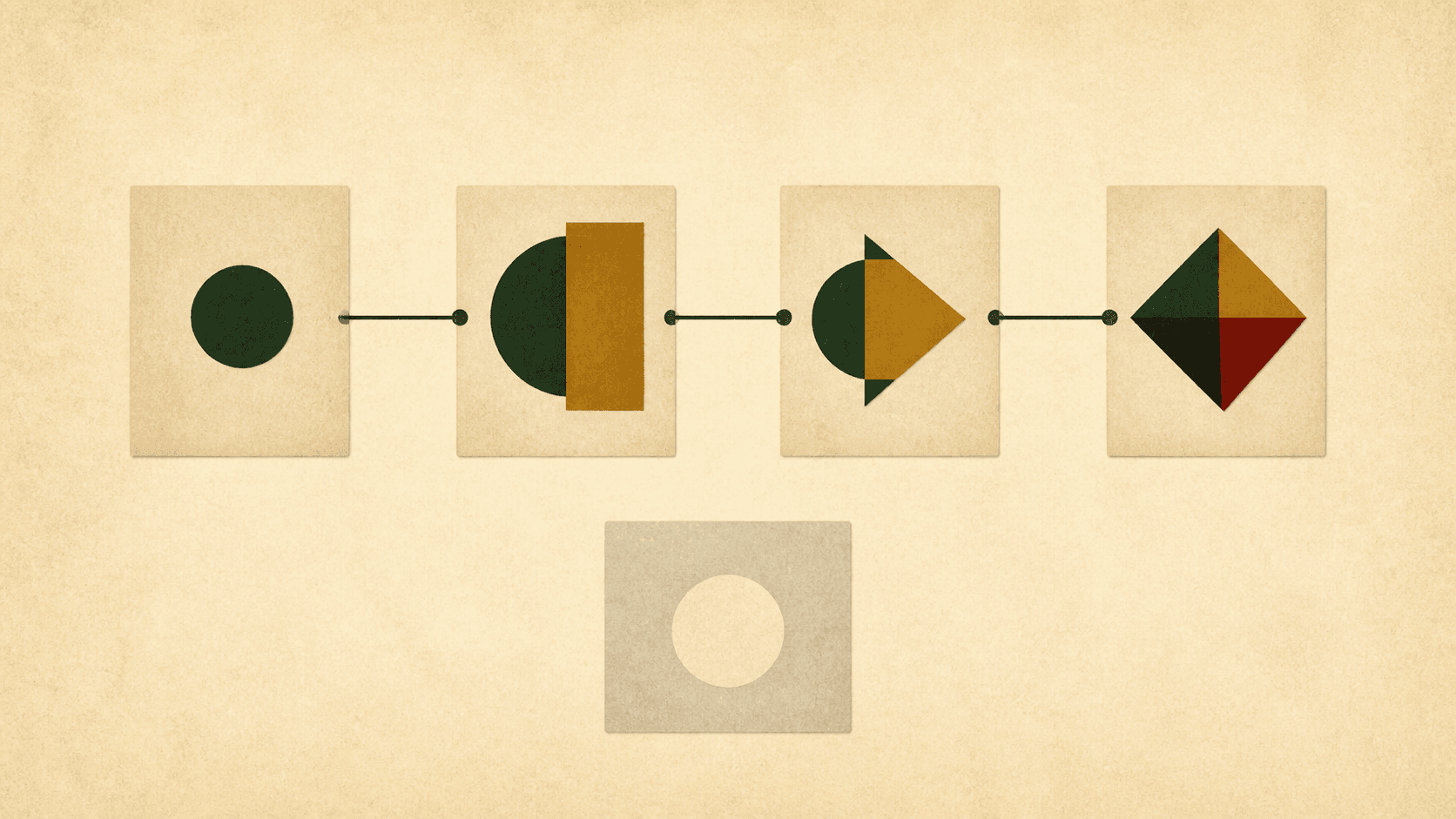 The pale nodes are not automatically bad scenes. They are scenes the current plot does not depend on yet.
Do you have no plot, or a plot that stops changing?
Most stalled drafts do have a plot. It may be buried under incidents, arrive too late, or disappear for long stretches.
A scene moves the plot when it changes the options available afterward. A witness lies, so the detective arrests the wrong person. A character refuses an apology, so the friendship is unavailable when the crisis arrives. The change can be quiet. It still has to alter what someone knows, wants, risks, or can do. Developmental editor Harrison Demchick makes the same case for a subtle but consistent chain of cause and effect, including in quieter literary fiction.
An incident can be vivid without changing anything. The detective visits a market, notices the weather, talks to three people, and goes home with the same beliefs and options. The writing may be lovely. The story is still in the same place.
Your first job is to find where change stops.
Two neighbouring problems have their own pages. If the scenes are moving but they stopped matching your outline, that is a divergence rather than a stall, and the divergence guide decides it without stopping the draft. If the draft is finished and your plot decisions changed along the way, how to outline a second draft builds the next plan out of what survives.
Step 1: make a scene inventory
Open a fresh document, spreadsheet, stack of cards, or empty Scyn graph. Leave the manuscript alone for now.
I know. Inventorying 60,000 words sounds grim. It is still faster than rewriting the opening again and hoping the middle somehow follows.
Write one line for every scene you have drafted. Do not summarize the prose. Record only:
- who makes the scene's important decision;
- what changes by the end; and
- what later event becomes possible or necessary because of that change.
Use "nothing yet" when you cannot answer. That phrase is useful evidence, not an admission of failure.
Here is a small example from a fictional mystery draft:
| Scene | What changes? | What happens because of it? |
|---|---|---|
| Mara questions the marina owner | She learns the victim kept a second boat | Nothing yet |
| Mara has dinner with her sister | They argue about their late mother | Nothing yet |
| A storm damages the harbour | The public ferry stops running | Mara cannot reach the island |
| Mara searches an old boathouse | She finds the victim's camera | The suspect sees her with it and runs |
| The suspect flees through the festival crowd | Mara loses him | He disappears from the draft for eight chapters |
The book already has plot material, but the connections are unfinished. The second boat, the family argument, the stopped ferry, and the fleeing suspect all look important. Only one currently causes the next piece of story.
Step 2: mark the flat runs
A weak scene is not always the problem. Often the problem is a run of scenes that all leave the protagonist in roughly the same position.
Read the "what changes?" column from top to bottom. Mark:
- repeated discoveries that confirm what the protagonist already suspects;
- conversations that explain history without affecting a decision;
- obstacles that delay the same plan without changing it;
- scenes where the protagonist watches someone else drive the story; and
- revelations that nobody acts on for several chapters.
Suppose Mara spends four chapters interviewing people who all say the victim was secretive. Each interview has a different location and voice, but the information has the same effect. That is one beat wearing four coats.
You may keep the best interview and combine one useful detail from the others. The draft gets shorter, but the plot starts moving faster because every remaining discovery has a different consequence.
Step 3: connect cause to effect
Now draw a line from each scene to the later scene it causes. The connection does not have to point to the next chapter. A setup in chapter three may pay off in chapter twenty. It does need an answer somewhere.
For the mystery example, we can repair the chain without inventing a new plot:
- The marina owner mentions the second boat.
- Mara asks her sister whether their mother ever used it.
- The argument ends when her sister admits their mother hid a key after the victim died.
- The key opens a locker in the old boathouse.
- Inside the locker, Mara finds the camera and a ferry receipt for the island.
- The suspect sees the camera, runs, and sabotages the ferry before Mara can follow.
- The storm now matters because it removes Mara's backup route to the island.
The same scenes are still there. Their order and consequences have changed. The family scene belongs because Mara's relationship with her sister now controls access to the clue. The storm belongs because it closes an option at the worst time.
If a scene cannot connect to anything, you have three honest choices: give it a consequence, combine it with a scene that has one, or cut it. Moving it to another chapter usually postpones the decision.
Step 4: find the decision your protagonist is avoiding
Drafts often become passive in the middle. Clues arrive. Problems worsen. Other characters reveal things. The protagonist keeps reacting but does not choose a path that creates the next problem.
Look at every major turn and ask who caused it. If the answer is usually the antagonist, fate, weather, or a helpful stranger, give the protagonist a consequential decision.
Mara chooses to trust her sister's confession and use the hidden key. That decision gets her the camera, exposes her investigation to the suspect, and strands her when the ferry is sabotaged. One choice creates progress and a new cost.
The choice does not need to be clever. Bad decisions often make better plot because they generate consequences the protagonist cannot shrug off.
Step 5: decide what the draft is moving toward
Cause and effect can make a story move in circles if you have no destination.
Write the ending as it currently exists, even if it is vague. Who makes the final choice? What can they do at the end that they could not do near the beginning? What does success or failure cost?
Then identify the midpoint. This is the moment when the protagonist's understanding or method changes. Before the midpoint, Mara treats the case as a professional investigation. After she learns her mother hid the key, the case becomes part of her own family history. She can no longer pretend she is an objective outsider.
If your draft has a beginning and an ending but no midpoint change, the middle will feel like waiting. The guide to fixing Act Two goes deeper into that specific repair. Once those anchors are named, the novel outline template lets you rebuild premise, midpoint, and ending on a canvas before you rewrite chapters.
Step 6: choose the smallest repair that works
Do not rewrite ten chapters when two moved scenes and one new consequence will fix the chain.
For every gap, try these repairs in order:
| Repair | Use it when | Example |
|---|---|---|
| Connect | A useful scene has no later consequence | The second boat leads Mara to ask her sister about the key |
| Combine | Several scenes do the same job | Four interviews become one tense interview with the decisive clue |
| Move | A payoff arrives long after readers have forgotten the setup | The locker search follows the key confession instead of waiting six chapters |
| Reverse | An obstacle delays the plot without changing it | The stopped ferry becomes sabotage that exposes the suspect's reach |
| Cut | The story works exactly the same without the scene | A second harbour tour adds atmosphere already established elsewhere |
New scenes come last. Writers often add material because adding feels better than admitting two existing chapters are doing nothing. Connect and combine first. You may discover that the plot was already present, just scattered.
How do you map an existing draft in Scyn?
Scyn does not read your manuscript and announce where the plot holes are. You build the map yourself, because the useful part is deciding what each scene changes.
Create one node per major scene. Use the title for a plain description such as "Mara finds the camera," not the chapter's poetic title. Add the chapter or act tag so you can filter the draft by section.
Draw arrows for real consequences. "Finds camera" points to "suspect sabotages ferry." If two scenes are next to each other in the manuscript but neither causes the other, do not connect them out of politeness. The visible gap is what you are looking for.
Use colours as highlighters for the distinctions that matter during this repair. You might mark family scenes in amber and investigation scenes in blue. A cluster of amber nodes floating away from the investigation tells you the family material has not affected the case yet.
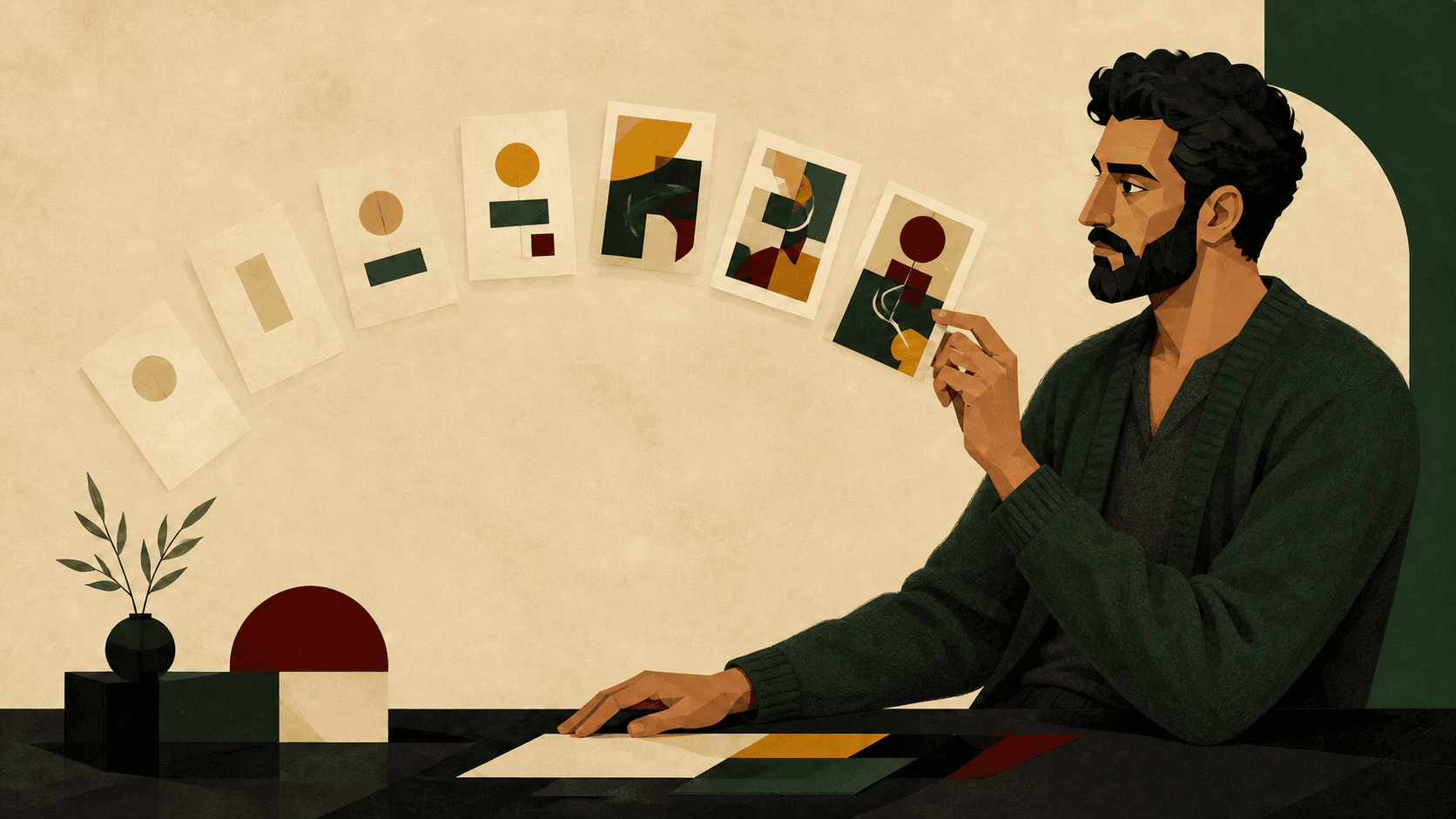 Map the scenes you actually wrote. You can decide what to move after the gaps are visible.
What should you do with the scenes you still love?
Some scenes will fail every structural test and still contain your favourite writing. Put them in a cut file. Do not delete them in a fit of discipline.
Then ask what you actually love: the dialogue, the location, a character pairing, one image. You can often move that good material into a scene the plot needs. The midnight conversation can happen while Mara and her sister search for the key. The harbour description can live inside the ferry sabotage.
The goal is not to make every paragraph advance the case. Novels need texture and room to breathe. The goal is to make every scene leave the book somewhere different from where it found it.
At 60,000 words, you have evidence. Inventory the scenes, follow the consequences, and repair the first place the chain breaks. Then move to the next break. That is a revision plan you can actually work through.
Related reading
- Plot Outline Example: Merge Every Story Thread
- How to Fix Act Two: A Practical Guide for Writers
- Visual Plot Mapping for Writers
- How to Outline a Novel: A Practical Guide
- How to Track Subplots in a Novel
- Draft Stopped Following Your Outline? Revise or Keep Writing
- How to Outline a Second Draft From a Finished Manuscript