How to Find and Fix Plot Holes
Find plot holes by tracing story promises, character knowledge, motivation, timing, and cause and effect, then repair them without rebuilding everything.
By Elias Ward
Founding writer at Scyn

Key takeaways
- A plot hole is a broken story rule or causal link, not simply an unanswered question.
- Most plot holes fall into five groups: knowledge, motivation, capability, continuity, and missing consequence.
- Trace what each character knows and when they learn it before rewriting whole chapters.
- The smallest repair is usually stronger than an explanatory monologue.
- A visual plot map reveals broken setups, missing payoffs, and convenient solutions.
A plot hole appears when the story asks the reader to accept two things that cannot both be true. A character uses information they never learned. A locked system suddenly has an easy escape. A decision contradicts the motivation the novel spent two hundred pages establishing. A consequence vanishes because the plot needs to move on.
Not every mystery is a hole. Readers can tolerate missing information when the story signals that an answer exists. They struggle when the underlying logic stops holding.
What counts as a plot hole?
A plot hole is a place where the story establishes a fact, rule, limitation, motive, or consequence, then later depends on its opposite without earning the change. Apply that literally rather than by feel. Name what the book established, name the later moment that contradicts it, and ask which page in between paid for the reversal. If no page did, the break is a plot hole. If the book simply leaves a secondary question unanswered, you have something else: an intentional ambiguity, or a loose thread waiting for a decision. The distinction is not academic, because it changes the repair. A loose thread needs a payoff decision, so you pay it off, complicate it, or dismiss it on purpose. A plot hole needs a logic repair, because the contradiction is already on the page, and a reader who catches it stops trusting the book's rules for everything that follows.
Use this test:
Does the story establish a fact, rule, limitation, motive, or consequence and later depend on its opposite without earning the change?
What are the five common types of plot hole?
Most plot holes in a draft fall into five types, and naming the type tells you where the repair belongs. A knowledge hole is a character acting on a fact they never learned, or failing to use one they already have. A motivation hole is a crucial choice the outline needed and the character's wants, fears, and loyalties do not support. A capability hole is a stated limit that quietly vanishes, or a power that could have ended the book in chapter three and waits, cost-free, for the ending. A continuity hole is the clock, the injury, the object, or the distance that does not survive being read as a schedule. A consequence hole is a large event that changes nothing you can point to on the following page. Each is a different broken contract with the reader, so each has its own smallest repair rather than a general tightening pass.
Knowledge holes
A knowledge hole appears when a character acts on a fact they never learned, or fails to use a fact they already have. Information has to travel: someone discovers it, someone witnesses that discovery, and it moves by speech, letter, or inference. If that path is missing, the reader feels the cheat.
In The Wizard of Oz (1939), Dorothy wears the ruby slippers from the hour she arrives in Oz. At the end, Glinda tells her the slippers can send her home. Glinda knew that from the start. The film withholds the one fact that would end the plot.
In Harry Potter and the Deathly Hallows, Kreacher knows what happened to Regulus Black and the locket Horcrux because Regulus took him to the cave. Harry, Ron, and Hermione already lived with Kreacher in Order of the Phoenix and did not ask. Once they treat him as a person, he tells them. The knowledge sat in the house for two books.
In a draft, this hole shows up as a scene that only works if you, the author, are in the room. A character arrives already knowing the password, the affair, or the back way out. You remember writing the discovery in a different chapter.
The smallest repair is one earlier beat where they see it, hear it, read it, or infer it. Do not add a speech that recites the missing facts at the moment of use. Move the learning to before the use.
Motivation holes
A motivation hole appears when a character makes a crucial choice because the outline needs it, not because their wants, fears, loyalties, or beliefs support it. Readers will follow a terrible decision if they can feel the pressure that produced it.
In The Last Jedi, a flashback shows Luke Skywalker igniting his lightsaber over sleeping Ben Solo. In Return of the Jedi, that same man threw his saber away rather than kill Darth Vader. The later film gives the motive as a brief instinct of fear. Many viewers still felt the choice fought the character the earlier film had earned.
In Prometheus, Fifield and Millburn (the geologist and the biologist) split off from the expedition, get lost inside the structure they came to map, and then prod a hostile alien snake. Their jobs are caution and observation. The scene needs two bodies in danger, so the film sends the cautious specialists to poke the unknown animal.
In a draft, the hole sits in a hinge chapter: the ally betrays the group, the detective withholds the evidence. On a first read you still hear the outline. A cold read only hears a person you no longer recognize.
The smallest repair is an earlier pressure scene, not a speech that explains the choice afterward. Add a cost for staying loyal, a fear already shown, or a prior choice that makes the later decision feel inevitable. If you cannot name the want that drives the turn, the turn is still serving the outline.
Capability holes
A capability hole appears when a person, tool, spell, or rule suddenly does something the story already made impossible, or when a power that could have solved the plot at any time is saved for the ending with no cost. Seed the capability, put a price on it, or change the solution.
In Independence Day (1996), David Levinson uploads a computer virus to the alien mothership from a Macintosh laptop. The shields on the city destroyers then fail. The film never shows that 1996 consumer hardware can speak to alien systems. The climax needs the shields down, so the laptop opens a door the world-building did not build.
In The Lord of the Rings, the Great Eagles rescue Frodo and Sam from Mount Doom after the Ring is destroyed. They also carry Gandalf from Orthanc and from the peak after the Balrog. Readers have asked for decades why those same Eagles could not fly the Ring into Mordor. Tolkien treats the Eagles as independent creatures, not a taxi. The capability still sits on the page.
In a draft, a late scene invents a skill that would have made earlier disasters unnecessary. Or a hard limit (the door cannot open) evaporates because the climax is running long.
The smallest repair is to plant the capability early and attach a cost, or take the easy solution away. If the laptop can talk to the ship, show the interface being built. If the Eagles can enter Mordor, say what it would cost them.
Continuity holes
A continuity hole appears when time, location, injury, possession, or sequence contradicts an earlier fact. Many of these are mechanical: the coat changes color, the broken arm is fine in the next chapter. The error becomes structural when the climax depends on it.
In The Dark Knight Rises, Bane imprisons Bruce Wayne in a pit in a foreign land. Bruce climbs out and, a short stretch of film later, is back in a Gotham under occupation. The film does not show how a man with no money, no papers, and no allies crossed that distance during a city lockdown. The climax needs Batman in Gotham, so the journey disappears.
In Avengers: Endgame, Bruce Banner explains that changing the past creates a new branch and does not rewrite the present the Avengers came from. Steve Rogers then remains in the past and appears as an old man on the same bench in that original present. The film states one rule and stages an ending that sits next to it.
In a draft, these holes surface when you read two chapters against each other. The train that took four days arrives overnight. The pistol is on the mantel and also in the river. You wrote both versions on different days.
The smallest repair is a single corrected fact: change the clock, the city, or who is holding the object. If the climax needs the character across the world, add the journey or cut the remote prison.
Consequence holes
A consequence hole appears when a major event should change the situation, yet later scenes behave as if it never happened. People return to old goals. Grief, debt, injury, and public fear evaporate between chapters. This hole hides inside otherwise plausible scenes.
Alien 3 opens with the Sulaco's escape pod crashing. Newt and Hicks, who survived Aliens and went into hypersleep with Ripley, are already dead. The previous film spent its last act earning that survival. The sequel erases the consequence before the new plot starts.
In The Force Awakens, Starkiller Base destroys the Hosnian system, including the capital of the New Republic. The Last Jedi then follows the Resistance in isolation and barely treats that loss as a political or civilian fact. The galaxy behaves as if one weapon exploded, not as if the government and several worlds were erased.
In a draft, ask what is different on the morning after. If the answer is nothing you can point to on the page, the event was spectacle. A city burns and the next chapter is a planning meeting in an intact room.
The smallest repair is to change a later scene so it acknowledges what the earlier event made different. Move the meeting into the ruin. Cut the old channel of trust. You do not need a speech about the tragedy. You need a choice that would have been impossible the day before.
How do you find plot holes in a draft?
You find plot holes by reading once for logic rather than prose, then running four named passes instead of trying to catch every break in one sitting. The knowledge-trail pass lists the facts the climax depends on and checks each user of a fact against the witness list. The timeline and continuity pass puts a date, time of day, and location beside every scene, then reads the result as a schedule rather than a story. The resource and capability pass lists every hard limit the book has stated against every solution that appears after page one hundred. The promise-and-payoff ledger puts every promise, clue, object, relationship, and rule from the opening third in one column and every major payoff from the last third in the other, then draws a line between them. A blank line is the hole. Mark each gap at its first use, not at the climax, because that is where the missing beat belongs.
For every major scene, record:
- what each involved character knows before and after;
- what they want and why;
- which rule or limitation matters;
- what changes immediately;
- which later scene uses that change.
Each pass below looks at one kind of contract.
Knowledge-trail pass. Make a list of the facts the climax depends on: names, passwords, locations, relationships, crimes, and physical objects. For each fact, write who first learns it, who is in the room, and the first later scene that uses it. Compare the user against the witness list. A failure looks like this: the user was never in the room, never received a message, and has no basis for inference, yet they act as if they were briefed. Mark the gap at the first use, not at the climax. That is where the missing beat belongs.
Timeline and continuity pass. Write a date, time of day, and location beside every scene. Note injuries, possessions, travel time, and who is in custody. Then read the list as a schedule, not as a story. A failure looks like a four-day journey that finishes overnight, a destroyed object that returns without explanation, or a wounded character who fights at full strength because the next set piece needs them able. Fix the clock or fix the claim. Do not do both and hope the reader averages them.
Resource and capability pass. List every hard limit the story has stated: the door that cannot open, the magic that costs blood, the warrant that does not exist, the skill no one in the room has. Then list every solution that appears after page one hundred. Compare the two lists. A failure looks like a limit that vanishes, or a power that could have ended the book in chapter three and is saved, cost-free, for the ending. Either plant the resource early and price it, or take it away.
Promise-and-payoff ledger. In one column, list every promise, clue, object, relationship, and rule you established in the opening third. In the other, list every major payoff in the last third. Draw a line from each promise to a payoff, a complication, or a deliberate dismissal. A failure is a blank: a gun on the wall that never fires, or a final trick that no earlier page prepared. The blank is the hole.
Then trace each chain forward. If a fact appears without a source, a solution appears without setup, or a major outcome has no effect, mark the break.
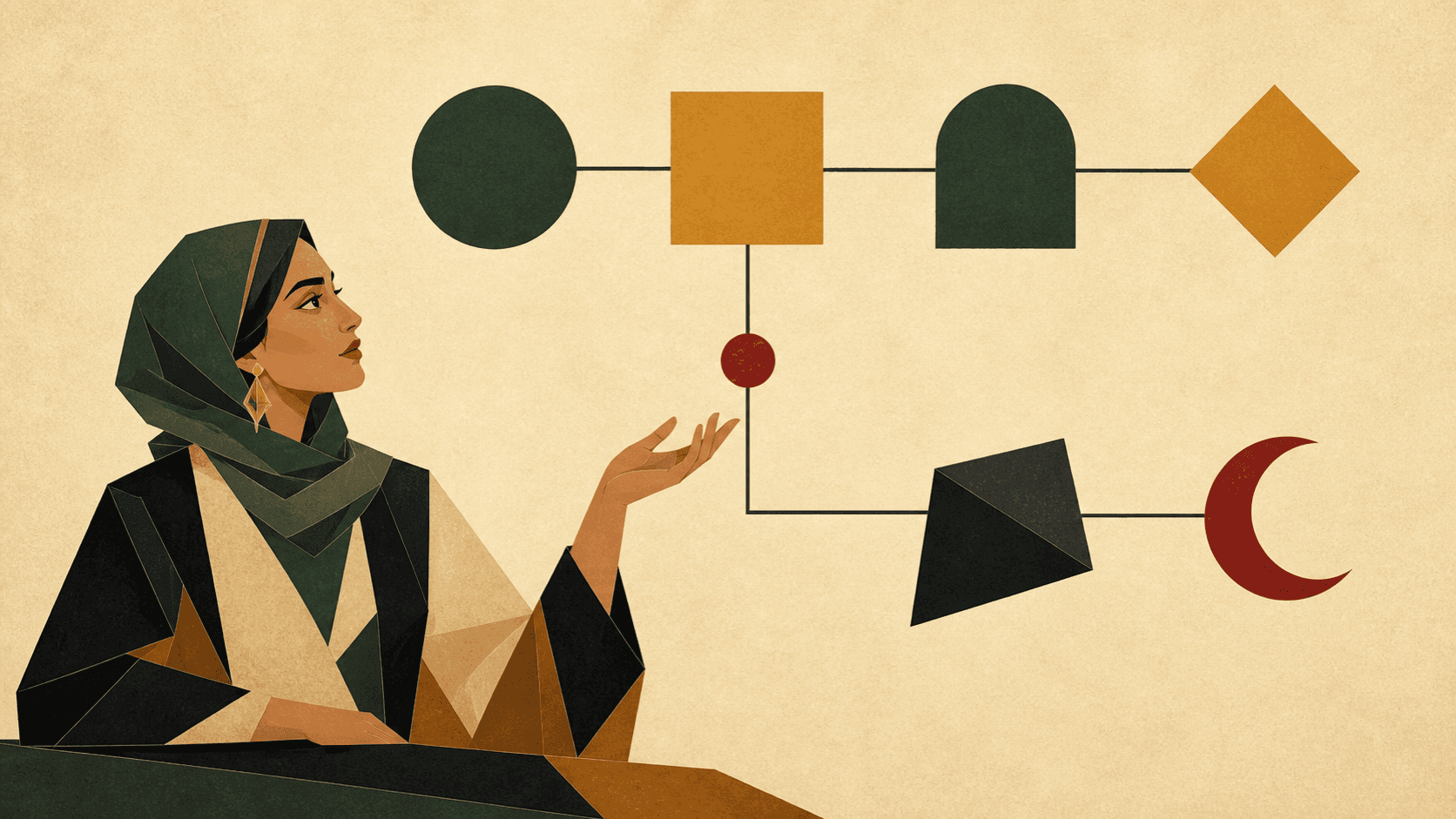
This works well on a visual plot map. Put scenes down as nodes, draw the causal links, and look for arrows that would need to jump across empty space. The gap is often the actual repair location.
How do you fix a plot hole without changing the whole story?
You fix a plot hole by choosing the smallest repair that restores the contract with the reader, then working the rungs in order of cost. Adjust a line first: change who was in the room, what they overheard, or which object they already hold, because one sentence can open a knowledge path or close a capability cheat. Move a scene next, for when the fact or skill already exists but arrives after the moment that needs it, which costs a reorder and no new pages. Then add a beat, a short scene that applies pressure, teaches the skill, or shows the cost, kept to the missing link rather than a chapter of explanation. Restructure last, changing who solves the problem or what the climax requires, and only once the cheaper rungs have failed. The ladder matters more than any single fix, because the instinct in revision is to rebuild a book that needed one sentence moved.
Work in this order, cheapest first:
- Adjust a line. Change who was in the room, what they overheard, or which object they already hold. One sentence can open a knowledge path or close a capability cheat.
- Move a scene. The fact or skill already exists, but it arrives after the moment that needs it. Slide that scene earlier. You write nothing new.
- Add a beat. Insert a short scene that applies pressure, teaches the skill, or shows the cost. Keep it to the missing link. Do not add a chapter of explanation.
- Restructure. Change who solves the problem, what the climax requires, or which earlier event is allowed to stand. Do this only after the cheaper rungs fail.
Those rungs sit under the same repairs you already know:
- Seed information earlier. Let the character notice, overhear, infer, or be told what they later use.
- Add a cost. Keep the convenient capability, but make using it damage something the story values.
- Strengthen motivation. Add pressure or a prior choice that makes the later decision inevitable in retrospect.
- Move the reveal. Sometimes the fact exists but arrives in the wrong order.
- Remove the shortcut. If a solution weakens the story, delete it and force the protagonist through the harder route.
- Pay the consequence. Change later scenes so they acknowledge what the earlier event made different.
Avoid patching every hole with explanation. A paragraph can clarify logic, but it cannot manufacture a missing choice. When possible, repair through action.
Here is one invented case walked up the ladder. In a draft mystery, Detective Mara opens the killer's locked desk in the last chapter with a brass key the book never showed her finding.
Adjust a line: in the victim's kitchen scene, already on the page, she lifts a spare key from the hook by the back door and pockets it. Cost: one sentence. The desk is now a payoff, not a gift.
Move a scene: you already wrote her searching the landlord's office, but you placed that search after the desk. Slide the office scene before the climax. Cost: a reorder. Still no new pages.
Add a beat: if neither the hook nor the office exists, write a two-page scene in which she talks the building manager into the spare, or steals it, and pays a price (a complaint, a lost ally, a clock that is now against her). Cost: a new scene, still local.
Restructure: if the locked desk is only there to hand her the confession, cut the desk. Let the confession come from the interview she already conducted, once she notices a contradiction she had ignored. Cost: the climax changes shape. You do this when the cheaper rungs would add machinery the story does not need.
Mara's key is typical. Most holes are a missing inch of track, not a collapsed bridge. Start at the line.
How do setup and payoff expose plot holes?
List every major payoff in the climax and trace it backward.
- Where was the necessary skill demonstrated?
- When was the object introduced?
- Why does the ally choose to return?
- Which earlier failure taught the protagonist what to do?
- What stops the same solution working sooner?
Then reverse the process. List every promise, clue, object, relationship, and rule established in the opening. Does each receive a payoff, a complication, or a deliberate dismissal?
A setup without a destination is a dangling promise. A payoff without a setup feels like convenience. Both become obvious when the links are visible. A subplot tracker template maps each subplot beside the main story so you can connect every setup to the scene where it pays off.
Walk one case. In a draft, the climax has the heroine pick a lock in a burning archive while the antagonist is thirty seconds behind her. That payoff asks five earlier pages to exist: a scene where she is shown learning locks, or failing at one; the first appearance of the picks; a reason the antagonist cannot already be inside; a reason she cannot have opened this door yesterday; and a cost for taking the time (smoke, a burned hand, a document she has to leave). If any of those pages is missing, the lock-pick is a capability hole wearing the costume of a climax. If the picks appeared in chapter two and then vanished for three hundred pages, you have a dangling promise instead. The repair is the same motion in two directions: plant what the ending spends, and spend what the opening planted.
When is a coincidence a plot hole?
A coincidence becomes a plot hole when it solves a problem instead of creating one. The craft convention is blunt: chance may throw the protagonist into the pit, and chance is a poor ladder out. A protagonist happening to witness a crime can launch a story, because the luck creates the trouble the book then has to work through. Missing evidence happening to fall into their hands during the climax removes their agency, because the luck does the work the character was supposed to do. The closer a coincidence sits to the resolution, the more it reads as the author's hand opening a door. The repair is not to delete the lucky event but to convert it into a consequence of an earlier choice, so the same scene happens for a reason the reader already watched the character earn. Opening coincidences can stay luck. Closing ones have to be paid for.
A worked case. You need your thief in the magistrate's private gallery at midnight. Version A: she takes a wrong turn while fleeing a different job and finds an unlocked side door. That coincidence creates the problem (she is now inside a building she cannot explain), and the story can begin. Version B, in the last chapter: a guard happens to drop the gallery key at her feet so she can retrieve the stolen charter and escape. That coincidence solves the plot. The reader can feel the author's hand open the door.
Repair Version B by tying the key to a choice she already made. She bribed that guard in chapter six, or she copied the key when she waited tables at the magistrate's supper, or she planned the wrong-turn job in order to case the side door. The midnight entry stays. What changes is the cause: her decision, not the floor's kindness. The opening coincidence can remain luck. The closing one has to be earned.
Plot-hole repair checklist
- Every important fact has a believable path into the character's knowledge.
- Major decisions follow established motives under new pressure.
- Abilities and rules remain consistent or visibly change at a cost.
- Time, place, injuries, and possessions survive a continuity pass.
- Large events alter later choices and conditions.
- The climax pays off tools, relationships, and lessons seeded earlier.
- No late coincidence replaces the protagonist's decisive action.
If a repair creates three new explanations, step back. You may be preserving the wrong scene. The cleanest fix can be merging two events, changing who makes a discovery, or replacing the solution altogether.